

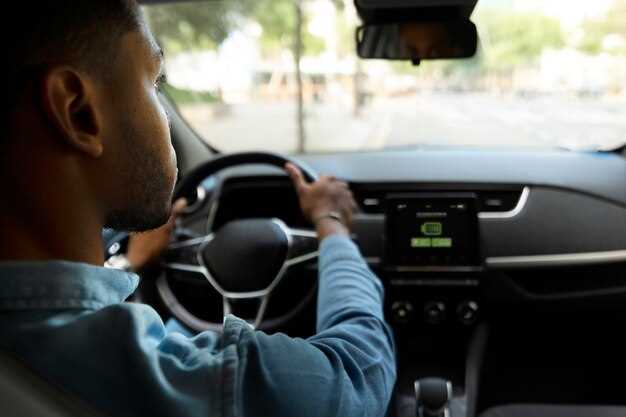
Using cruise control can significantly enhance your driving experience on highways, offering comfort and convenience during long journeys. However, it is crucial to prioritize safety while utilizing this feature. Understanding the proper use of cruise control can help prevent accidents and ensure a smooth ride.
Before activating cruise control, it is essential to assess the current road conditions. Weather factors, traffic density, and the condition of the road can all influence the safe use of this technology. Adjusting your speed according to these conditions is vital for maintaining both your safety and that of other road users.
Additionally, staying vigilant while using cruise control is paramount. Although the system allows you to take your foot off the accelerator, it does not replace the need for active engagement in driving. Regularly monitoring your surroundings and being prepared to take manual control when necessary can help mitigate potential hazards.
Understanding When to Activate Cruise Control for Optimal Safety
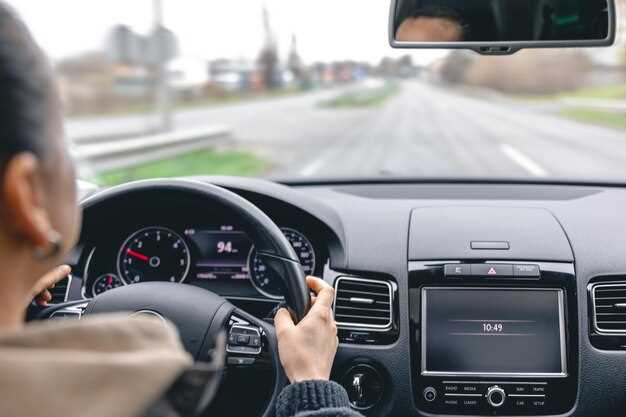
Activating cruise control can significantly enhance your driving experience, but knowing the right moment to engage it is critical for ensuring safety on the highway. Here are key factors to consider before activating cruise control.
Ideal Road Conditions
Engage cruise control primarily on expansive, open highways with minimal traffic. This setting allows for a consistent speed without sudden stops or starts, maximizing control and minimizing fatigue.
Weather Considerations
Before activating cruise control, assess the weather conditions. Rain, snow, or fog can reduce your visibility and traction. In adverse weather, it is safer to maintain manual control over your vehicle’s speed to react promptly to changing conditions.
Traffic Flow
Check the current traffic situation. If the flow is steady and cars are spaced adequately, cruise control can be beneficial. However, in heavy or erratic traffic, it is advisable to keep cruise control off to remain fully engaged in monitoring your surroundings.
Speed Limits and Regulations
Always be aware of posted speed limits. Cruise control should only be used when your speed is within legal limits. This ensures compliance with regulations and aids in maintaining safety.
Vehicle Performance
Not all vehicles respond equally when cruise control is activated. Understand your car’s capabilities, especially if it’s older or has mechanical issues. Engaging cruise control in suboptimal conditions can lead to potential hazards.
Potential Distractions
Before setting cruise control, ensure all distractions are minimized. Adjusting controls, using devices, or conversing with passengers can compromise your focus. Activate cruise control once you’re ready to devote your attention to the road ahead.
By understanding these factors, you can use cruise control effectively, contributing to both your safety and that of others on the highway. Always prioritize staying alert and ready to take control of your vehicle when necessary.
Best Practices for Adjusting Speed While Using Cruise Control
When utilizing cruise control, maintaining safety is paramount. Adjusting speed correctly is crucial to ensure that the system responds effectively to changing driving conditions. Before making any adjustments, familiarize yourself with the cruise control system of your vehicle, as functionality can differ between models.
To adjust speed safely while using cruise control, first ensure that both hands are securely on the wheel. This allows for maximum control of the vehicle. Use the cruise control buttons or switches to increase or decrease speed gradually. Sudden changes can lead to loss of control, especially on highways where traffic flow may be unpredictable.
When approaching an incline, be aware that cruise control may need to increase engine power to maintain speed. If you notice a significant decrease in speed, it may be safer to disable cruise control until you reach a more level terrain. On the other hand, when descending a hill, consider reducing your speed manually to prevent the vehicle from accelerating beyond safe limits.
Pay attention to the road ahead and adjust your speed accordingly. If traffic conditions change, such as approaching slower vehicles or congested areas, it is advisable to disengage cruise control early to prepare for manual speed adjustments. Always maintain a safe following distance that allows you to react to any sudden stops or changes in traffic.
Finally, before re-engaging cruise control after making speed adjustments, check your surroundings to ensure it is safe. Once engaged, monitor the vehicle’s speed closely, and be ready to intervene if necessary. Following these best practices will enhance your driving experience while prioritizing safety on highways.
Recognizing When to Disable Cruise Control in Changing Conditions
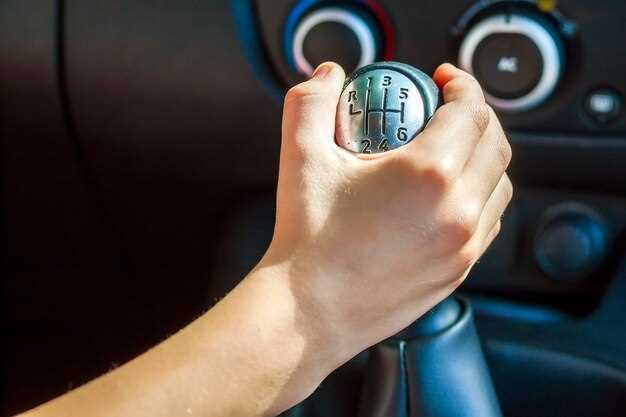
Cruise control can enhance driving comfort and fuel efficiency, but its use must be adjusted according to road conditions. Drivers should be vigilant and ready to disable cruise control in various scenarios to maintain safety.
One critical situation is adverse weather. Rain, snow, or fog can drastically reduce traction and visibility. In these conditions, manually controlling the vehicle allows for quicker reactions to sudden changes in the environment, ensuring that safety remains a priority.
Another situation arises when approaching heavy traffic. If vehicles in front are significantly slowing down or stopping, it is essential to disengage cruise control to maintain better control. Automatic systems may react too slowly in these dynamic environments, leading to potential hazards.
Steep inclines and declines also necessitate the deactivation of cruise control. Uphill driving may require greater acceleration to maintain speed, while downhill stretches can lead to excessive acceleration. By taking control, drivers can manage their speed more effectively and safely.
Additionally, road constructions and detours demand heightened awareness. Variable speed limits and unexpected stops make it crucial to have full control of the vehicle. Disabling cruise control in these contexts helps to prevent accidents and ensures a safer driving experience.
Lastly, always be aware of sudden changes in traffic patterns. Merge lanes, highway interchanges, or unexpected roadblocks require attentive driving. Maintaining control allows for immediate adjustments, which is vital for both personal safety and that of other road users.

