

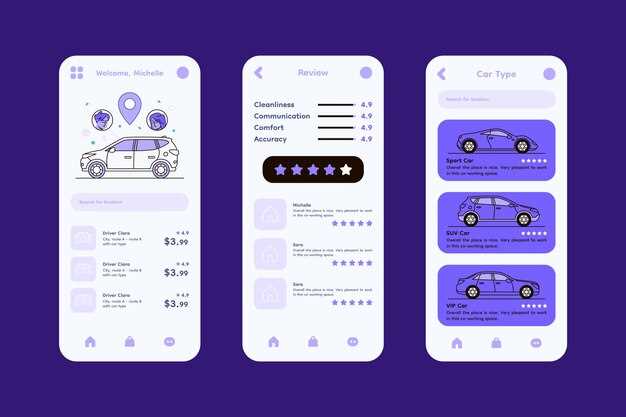
In today’s fast-paced world, managing fuel consumption has become a critical aspect of vehicle ownership. With the increasing cost of fuel and growing environmental concerns, it’s essential to keep a close eye on your mileage. Fortunately, technology provides us with a variety of solutions to efficiently log our fuel usage. This article explores the top mobile applications designed to help you track fuel consumption effortlessly.
These apps not only allow you to record your fuel purchases but also provide insightful analytics on your driving habits and fuel efficiency. By using a dedicated app, you can easily monitor trends and patterns in your fuel usage, helping you make informed decisions regarding your vehicle’s maintenance and performance. Whether you’re a daily commuter or a road trip enthusiast, finding the right tool to log your fuel consumption can drastically enhance your driving experience.
From user-friendly interfaces to advanced features, these applications cater to a wide range of preferences and needs. Let’s dive into some of the most effective options available for tracking fuel consumption and ensuring you get the best mileage from every gallon of gas.
Best Mileage Log Apps for Personal Use
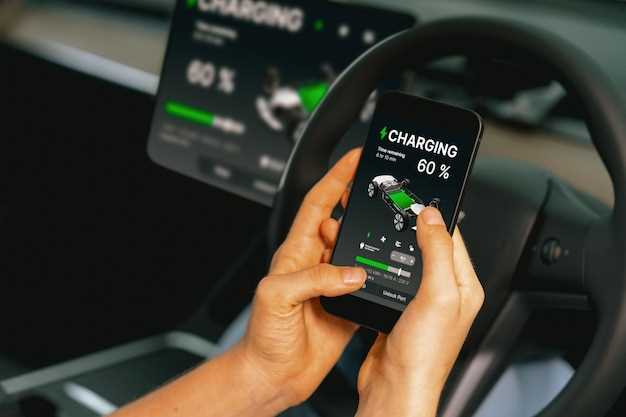
Tracking fuel consumption can significantly aid in managing personal finances and vehicle maintenance. The right mileage log apps empower users to keep accurate records of their driving habits while offering features that enhance usability. Here are some of the best mileage log mobile apps designed for personal use.
Mileage Log+: This app boasts a user-friendly interface, allowing users to log their trips seamlessly. With features like customizable categories and the ability to attach receipts, Mileage Log+ helps maintain an organized record of fuel expenditures. The integration with cloud services ensures your data is always backed up and accessible from any device.
Everlance: Everlance is a comprehensive app designed for those looking to track both mileage and expenses. It uses GPS to automatically track trips, minimizing the need for manual input. Users can classify trips for business and personal use, and generate reports that simplify tax calculations and expense reimbursement.
Drive Log: This app stands out with its simple log entry process. Users can effortlessly record their mileage and fuel costs. The app also provides an overview of vehicle performance, making it easier to spot trends and improve efficiency over time.
Fuelly: Fuelly focuses on vehicle fuel consumption by allowing users to log fill-ups and monitor fuel economy. The app provides insights into driving behavior and helps users identify patterns that may lead to cost savings. Users can also create a detailed history of each vehicle they own.
TripLog: Designed for flexibility, TripLog is an excellent choice for personal users who need detailed logging without complexity. It incorporates various features, such as automated mileage tracking through GPS and integration with accounting apps, streamlining the logging process. Users can generate customized reports to suit their needs.
Choosing the right mileage log app can lead to better fuel management and informed decisions about driving habits. Each of these mobile apps offers unique features tailored to enhance the user experience, making tracking fuel consumption straightforward and efficient.
How to Calculate Fuel Efficiency with Mobile Apps
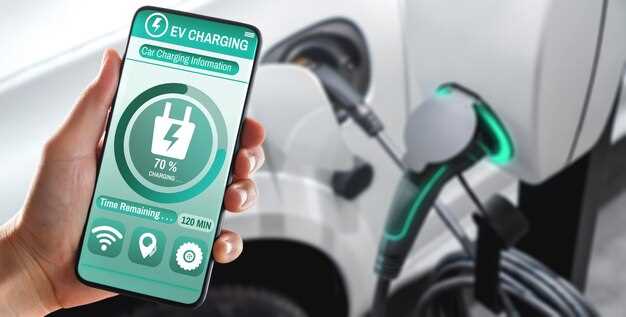
Calculating fuel efficiency has become more convenient with the advancement of mobile applications designed for tracking fuel consumption. To effectively leverage these apps, you need to log your fuel purchases and mileage over time.
Start by downloading a reliable mobile app that specializes in fuel tracking. Upon installation, create an account or simply navigate to the logging section. Each time you fill up your tank, enter the amount of fuel purchased and the odometer reading to accurately track your mileage. This data forms the foundation for your fuel efficiency calculations.
After logging several fill-ups, the app will typically provide you with options to view trends, average consumption, and comparisons over various timeframes. To calculate fuel efficiency, the app uses a straightforward formula: divide the total miles driven by the total gallons of fuel consumed. This results in miles per gallon (MPG), making it easy to see how efficiently your vehicle is performing.
Moreover, many modern mobile apps include features that can notify you when your fuel efficiency drops below a certain threshold, allowing you to make timely adjustments to your driving habits or vehicle maintenance. By consistently logging your mileage and fuel usage, you can spot patterns, identify problematic driving behaviors, and ultimately improve your fuel economy.
Comparing Features of Fuel Tracking Apps for Businesses
Selecting the right fuel tracking app for a business requires careful consideration of various features that enhance efficiency and ease of use. One crucial aspect is the ability to log fuel consumption seamlessly. Apps that offer intuitive logging processes allow users to quickly enter data, which can significantly reduce administrative workload.
Another vital feature is mileage tracking. Businesses often require accurate mileage records for expense reporting and tax purposes. Fuel tracking apps should provide automated mileage tracking, either through GPS or manual entry, enabling users to monitor their travel distance effortlessly. This ensures that fuel expenses are aligned with business operations and improves overall accuracy.
It is also important for these apps to generate detailed reports. Comprehensive reporting features that analyze fuel consumption trends and cost patterns can help businesses make informed decisions. Apps that provide visualizations or summary statistics will enable managers to identify areas where fuel efficiency can be optimized.
Additionally, integration capabilities with other business software systems, such as accounting and fleet management tools, enhance the functionality of fuel tracking apps. This integration allows for automated updates and reduces the need for duplicate data entry, which can save time and minimize errors in financial reporting.
Lastly, user-friendliness is a key factor in the effectiveness of fuel tracking apps. An app with a clean interface and straightforward navigation will encourage consistent use among employees. Customizable features, such as alerts for excessive fuel usage or reminders for log entries, can further enhance the app’s usability, making it easier for businesses to maintain accurate fuel consumption records.

