


As the automotive industry continues to evolve, the shift towards electric vehicles (EVs) has gained unprecedented momentum. More than just a passing trend, electric cars represent a significant advancement in sustainable transportation, promising remarkable efficiency and reduced carbon footprints. This year, a range of models has emerged that showcases impressive engineering and innovative technology, making the decision to go electric more appealing than ever.
In this review, we will explore the best electric vehicles of the year, highlighting key features, performance metrics, and overall value. From compact city cars to spacious family SUVs, the diversity of options available reflects the growing demand for EVs across different market segments. Each model stands out not only for its environmental benefits but also for its ability to deliver a seamless driving experience.
Whether you are a seasoned eco-conscious driver or considering your first electric car, understanding the nuances of each vehicle is essential. This comprehensive guide aims to arm you with the knowledge needed to make an informed choice, ensuring you select an electric vehicle that best fits your lifestyle and preferences. Join us as we delve into the top contenders that have made a mark in the electric vehicle landscape this year.
Top Features to Look for in 2023 Electric Cars

As the electric vehicle market continues to evolve, it’s essential to stay informed about the latest features that enhance performance, safety, and comfort. In 2023, several key aspects are crucial for potential buyers when selecting an electric car.
One of the top features is battery range. Advances in battery technology have improved the range of electric cars significantly, allowing drivers to travel longer distances on a single charge. Consumers should seek vehicles that offer over 300 miles of range to ensure freedom during long trips.
Charging speed is another critical factor. Look for electric cars equipped with fast-charging capabilities that allow for quick refueling, ideally achieving 80% charge within 30 minutes. Vehicles that support a wide range of charging networks also provide greater convenience for users.
Technology integration plays a vital role in modern electric cars. Features such as advanced infotainment systems, smartphone connectivity, and over-the-air software updates can enhance the driving experience and keep the vehicle up-to-date with the latest functionalities.
Safety features are paramount for any car, including electric options. Check for comprehensive safety ratings and the inclusion of driver assistance systems like adaptive cruise control, lane-keeping assist, and automatic emergency braking. These technologies enhance overall safety and reduce the likelihood of accidents.
Interior comfort and space also matter when choosing an electric car. A well-designed cabin with ample legroom, quality materials, and versatile cargo space contributes to a pleasant driving experience. An electric car should feel spacious and comfortable for all passengers.
Lastly, consider the total cost of ownership, which includes maintenance, insurance, and potential tax incentives. Electric cars often have lower maintenance costs compared to traditional vehicles due to fewer moving parts. Understanding the financial implications can help buyers make informed decisions.
By focusing on these essential features, consumers can find the perfect electric car that meets their needs and preferences in 2023.
Comparative Range and Charging Times of Leading Models
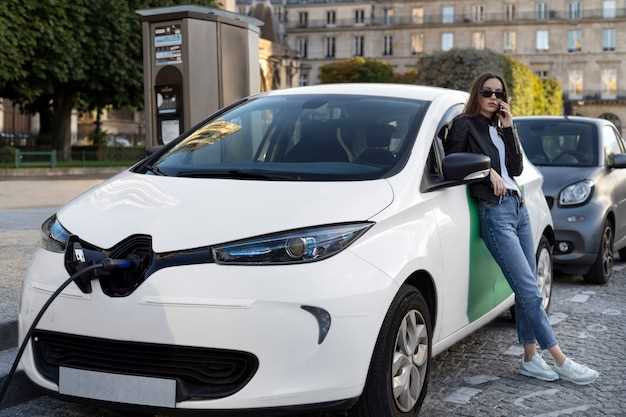
When selecting the best electric vehicles (EVs) of the year, potential buyers often prioritize range and charging times as critical factors. A comprehensive review of leading models reveals significant differences that can influence purchasing decisions.
The Tesla Model 3 stands out with a remarkable range of up to 353 miles on a single charge, making it one of the leaders in the market. Its Supercharger network ensures that charging times are efficient, often achieving 80% charge in approximately 30 minutes. This makes it a favorable option for long-distance travel.
Another impressive contender is the Ford Mustang Mach-E, which offers a range of around 300 miles depending on the variant. Charging times can vary, but using a DC fast charger, drivers can expect to gain around 61 miles of range in just 10 minutes. This balance of performance and efficiency contributes to its growing popularity.
The Chevrolet Bolt EV presents a competitive range of 259 miles. While its charging speed isn’t as quick as some rivals, utilizing a DC fast charger can replenish about 100 miles of range in 30 minutes. This model offers great value for urban commuters who may not need the absolute maximum range.
Lastly, the Hyundai Ioniq 5 features a cutting-edge design while providing a commendable range of up to 303 miles. Thanks to its 800V architecture, it can charge from 10% to 80% in approximately 18 minutes at a fast-charging station, significantly improving convenience for users.
In summary, prospective buyers should consider these factors when reviewing their options. Each of these leading models has unique strengths in terms of range and charging times, allowing drivers to find a car that suits their lifestyle and travel needs.
Cost of Ownership: Price, Incentives, and Maintenance
The cost of ownership for electric vehicles (EVs) encompasses several key factors, including the purchase price, available incentives, and ongoing maintenance expenses. Understanding these elements is crucial for making an informed decision when considering an electric vehicle.
First and foremost, the price of electric vehicles varies widely across different models. While some EVs, like the Tesla Model 3, may carry a higher upfront cost, others, such as the Nissan Leaf, are more budget-friendly. It’s essential to evaluate your budget and consider what features you prioritize in an electric vehicle when reviewing options.
Incentives play a significant role in reducing the effective cost of ownership. Many governments offer tax credits, rebates, or other financial incentives to encourage the adoption of electric vehicles. These incentives can significantly offset the initial purchase price, making certain models much more affordable. Researching local and federal incentives is vital to take full advantage of potential savings.
Maintenance costs for electric vehicles are generally lower compared to traditional gasoline-powered cars. EVs have fewer moving parts and do not require oil changes, resulting in lower maintenance expenses over time. However, potential costs such as battery replacement should be considered, although most manufacturers offer warranties that cover battery performance for several years.
Additionally, charging costs should be accounted for in the overall analysis of electric vehicle ownership. Home charging may be cheaper than relying on public charging stations, depending on local electricity rates. Understanding these costs and comparing them to fuel expenses for gasoline vehicles can provide further insight into long-term savings.
In conclusion, evaluating the cost of ownership for electric vehicles involves a comprehensive review of purchase prices, available incentives, and maintenance expenses. By considering these factors, potential EV buyers can make a well-informed decision and enjoy the benefits of electric vehicle ownership.

