

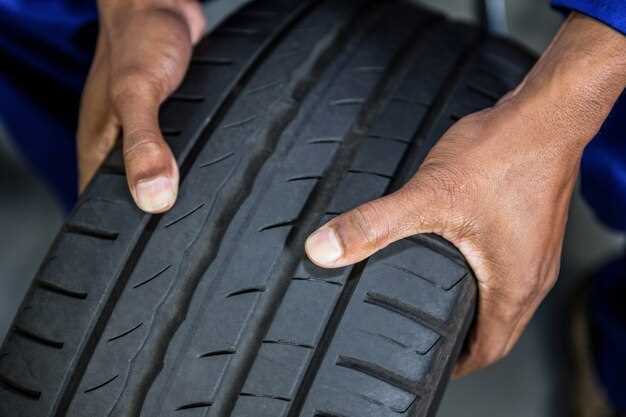
The importance of maintaining proper tire tread depth cannot be overstated when it comes to vehicle safety and performance. Tires are the only point of contact between your vehicle and the road, making it crucial for them to provide adequate grip, especially in adverse weather conditions. As tires wear down over time, their tread depth diminishes, which can significantly impact handling, braking distance, and overall driving stability.
Monitoring tread wear is essential to ensure that your tires can perform optimally throughout their lifespan. Worn tires can lead to a host of issues, including increased stopping distances and decreased traction, which can result in dangerous driving situations. Thus, understanding the appropriate tread depth for your tires is vital for determining when replacement is necessary.
In this guide, we will explore the key factors influencing tire tread wear, how to measure tread depth accurately, and provide recommendations on when to replace your tires. By familiarizing yourself with these concepts, you can make informed decisions that enhance your vehicle’s safety and performance.
Identifying Tread Wear Patterns and Their Implications
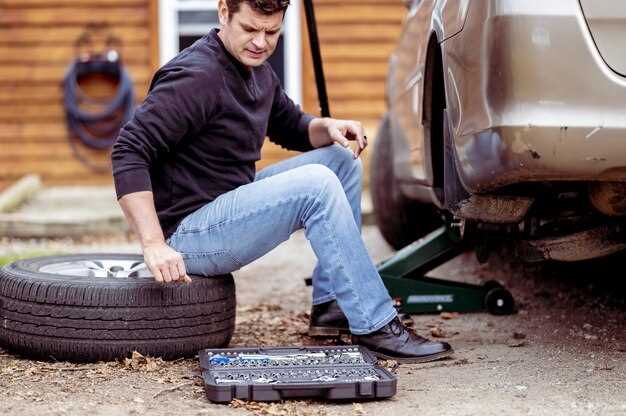
Understanding tread wear patterns is crucial for maintaining optimal vehicle performance and safety. Different wear patterns indicate specific issues related to alignment, inflation, and suspension that can affect both tire lifespan and driving experience.
Center Wear: This type of wear occurs when the tread wears more in the center than on the edges. It often suggests over-inflation of the tires. Over-inflated tires can lead to reduced grip and increased stopping distances, impacting overall road safety.
Edge Wear: Conversely, edge wear happens when the outer edges of the tread are worn down more than the center. This pattern usually indicates under-inflation. Under-inflated tires can lead to excessive heat buildup, resulting in tire blowouts and shortened tread life.
Uneven Wear: Uneven wear across the tread can signal alignment issues or problems with the suspension system. If tires are not aligned properly, they may wear down irregularly, causing potential handling issues and compromising safety on the road.
Patchy Wear: This wear pattern is characterized by irregular patches on the tread surface. It may indicate that the tires are out of balance or that there are issues with the vehicle’s suspension. Addressing these problems promptly can prevent further damage to tires and enhance driving comfort.
Sloping Wear: Sloping wear, where one side of the tire is worn more than the other, typically points to misalignment or camber issues. Regular checks and adjustments can help maintain even tread wear and extend the life of the tires.
Monitoring these tread wear patterns not only helps in timely tire replacement but also enhances vehicle safety and performance. Regular inspections and maintenance practices are essential to ensure that any underlying issues are addressed promptly.
Recommended Tread Depth Measurements for Different Conditions
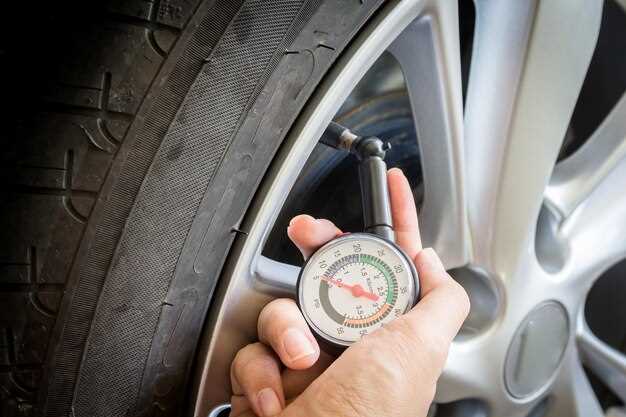
Maintaining the right tread depth is essential for ensuring optimal vehicle performance and safety. The tread depth directly affects the tire’s grip on the road, especially under various conditions. Here are the recommended measurements for different driving scenarios:
Dry Conditions: A tread depth of at least 2/32 inches is acceptable for dry surfaces. However, for maximum performance and safety, a depth of about 4/32 inches is recommended. Proper wear at this level enhances traction and responsiveness during acceleration and braking.
Wet Conditions: Tread depth plays a critical role in wet conditions, as it primarily affects water evacuation and hydroplaning resistance. A minimum tread depth of 5/32 inches is advised, but depths of 6/32 inches or greater are preferred for safer handling and braking in rain-soaked conditions. The deeper grooves help channel water away from the tire’s surface, reducing the risk of losing control.
Snow and Ice: For winter driving, adequate tread depth is crucial. It is recommended to have at least 6/32 inches of tread depth for optimal traction on snow. For icy conditions, deeper tread (around 8/32 inches or more) is beneficial as it enhances grip and mitigates the effects of tread wear caused by icy surfaces.
Off-Road Conditions: If you drive in off-road environments, such as muddy or rocky terrains, it is beneficial to have tread depths ranging from 10/32 inches to 12/32 inches. The additional depth allows for better traction and durability against the wear encountered in rugged conditions, ensuring the tires perform adequately without risking damage.
Regularly checking tread depth is vital. When tires begin to wear down to the recommended limits, it’s time for a replacement to ensure continued performance and safety on the road. Monitoring tread depth in relation to specific conditions will keep your vehicle’s handling capabilities at their peak.
Steps for Safely Replacing Tires Based on Wear Levels
Replacing tires is crucial for maintaining vehicle safety and performance. As tire wear increases, their ability to grip the road diminishes, leading to various hazards. Below are essential steps to ensure a safe tire replacement process based on wear levels.
1. Assess Tread Depth
Using a tread depth gauge, measure the depth of the tire tread. A depth of 2/32 inches or less indicates that the tire is worn and should be replaced immediately. If the tread depth is slightly above this level but below 4/32 inches, monitoring the wear becomes important, as this can affect wet traction.
2. Inspect for Uneven Wear
Examine the tire for uneven wear patterns, such as cupping or bald spots. These irregularities may signal underlying issues such as misalignment, improper inflation, or suspension problems. If irregular wear is detected, consult a professional before replacement.
3. Check Sidewalls and Overall Condition
Inspect the sidewalls for cracks, bulges, or punctures. Damaged sidewalls can compromise tire integrity, requiring replacement even if the tread depth is acceptable. Additionally, look for any embedded objects such as nails or shards that could cause air leaks.
4. Understand Replacement Requirements
Refer to your vehicle’s owner manual for specific tire specifications, including size, type, and load ratings. When choosing replacement tires, ensure they match the recommendations to maintain optimal performance and safety.
5. Install the New Tires Correctly
Once new tires are selected, have them installed by a professional. Ensure that the tires are balanced properly to avoid vibrations and that they are aligned correctly to ensure even wear. Additionally, check tire pressure after installation for optimal performance.
6. Regular Maintenance
After replacing tires, schedule regular maintenance checks, including rotation and balancing, to promote even wear. Regular inspections will help ensure that tires continue to perform well throughout their lifespan.
By following these steps based on wear levels, you can ensure a safe and effective tire replacement process, enhancing vehicle safety and extending tire life.

